When the Toenail Separates From Its Bed

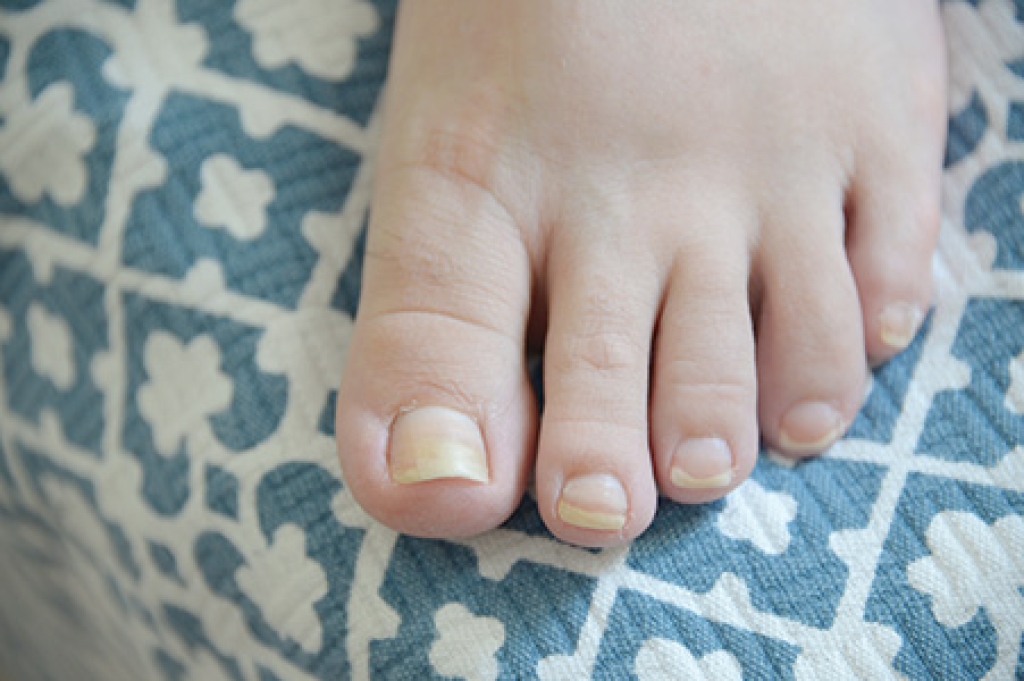
When a toenail separates from the skin beneath it, the condition is called onycholysis. This can make the nail look white or yellow where it has lifted, while the rest of the nail remains pink. The area may collect debris and can sometimes develop an odor or mild discomfort. Causes of toenail separation include repeated pressure from shoes, direct injury, and fungal infection. Certain medical conditions that affect nail growth may also be a factor. In some cases, the nail edge becomes uneven or thickened as it pulls away from the nail bed. A podiatrist can examine the nail closely, determine the cause, and check for infection or underlying disease.  Trimming the damaged portion and testing nail samples may also be involved. Treatment plans include managing infection, reducing pressure on the nail, and guiding healthy regrowth. If your toenail lifts from the nail bed, it is suggested that you schedule an appointment with a podiatrist for a diagnosis and appropriate treatment.

Toe pain can disrupt your daily activities. If you have any concerns, contact Darren Day, DPM of Hawaii. Our doctor can provide the care you need to keep you pain-free and on your feet.

What Causes Toe Pain?

Most severe toe pain is caused due to a sports injury, trauma from dropping something heavy on the toe, or bumping into something rigid. Other problems can develop over time for various reasons.

Toe pain can be caused by one or more ailments. The most common include:

  • Trauma
  • Sports injury
  • Wearing shoes that are too tight
  • Arthritis
  • Gout
  • Corns and calluses
  • Hammertoe
  • Bunions
  • Blisters
  • Ingrown toenails
  • Sprains
  • Fractures (broken bones)
  • Dislocations

When to See a Podiatrist

  • Severe pain
  • Persistent pain that lasts more than a week
  • Signs of infection
  • Continued swelling
  • Pain that prevents walking

Diagnosis

In many cases the cause of toe pain is obvious, but in others, a podiatrist may want to use more advanced methods to determine the problem. These can range from simple visual inspections and sensation tests to X-rays and MRI scans. Prior medical history, family medical history, and any recent physical traumatic events will all be taken into consideration for a proper diagnosis.

Treatment

Treatments for toe pain and injuries vary and may include shoe inserts, padding, taping, medicines, injections, and in some cases, surgery. If you believe that you have broken a toe, please see a podiatrist as soon as possible.

If you have any questions please contact our offices located in Honolulu and Kahuku, HI . We offer the newest diagnostic and treatment technologies for all your foot and ankle needs.


Read more about Toe Pain

Recognizing Foot or Ankle Pain in Children

Foot and ankle pain in children can happen for many reasons, especially during growth and sports activities. Repeated running, jumping, and minor injuries often place stress on developing bones, joints, and soft tissue. Some children may have heel pain from growth plate irritation. Others may develop pain from flat feet, ankle sprains, or overuse injuries. Younger children may limp or avoid putting weight on the foot, while older children can usually point to the exact area of pain. Swelling, stiffness, or pain that gets worse with activity should not be ignored. A podiatrist can examine how the child walks, check foot structure and joint movement, and order imaging tests to confirm the cause. Treatment includes custom orthotics, bracing, or other care to reduce pain and protect healthy growth. If your child exhibits foot or ankle pain, it is suggested that you schedule an appointment with a podiatrist for expert advice and guidance.

The health of a child’s feet is vital to their overall well-being. If you have any questions regarding foot health, contact Darren Day, DPM of Hawaii. Our doctor can provide the care you need to keep you pain-free and on your feet.

Tips for Keeping Children's Feet Healthy

  • Make sure their shoes fit properly
  • Look for any signs of in-toeing or out-toeing
  • Check to see if they have Clubfoot (condition that affects your child’s foot and ankle, twisting the heel and toes inward) which is one of the most common nonmajor birth defects.
  • Lightly cover your baby’s feet (Tight covers may keep your baby from moving their feet freely, and could prevent normal development)
  • Allow your toddler to go shoeless (Shoes can be restricting for a young child’s foot)
  • Cut toenails straight across to avoid ingrown toenails
  • Keep your child’s foot clean and dry
  • Cover cuts and scrapes. Wash any scratches with soap and water and cover them with a bandage until they’ve healed.

If you have any questions, please feel free to contact our offices located in Honolulu and Kahuku, HI . We offer the newest diagnostic and treatment technologies for all your foot care needs.

Read more about How to Care for Your Child's Feet

Heel Pain Can Be Treated!

Do you suffer from heel pain when you get up in the morning? If so, you should seek professional help and have a proper diagnosis performed. Heel pain can be caused by several different foot-related conditions.

Understanding Heel Fissures and Skin Changes

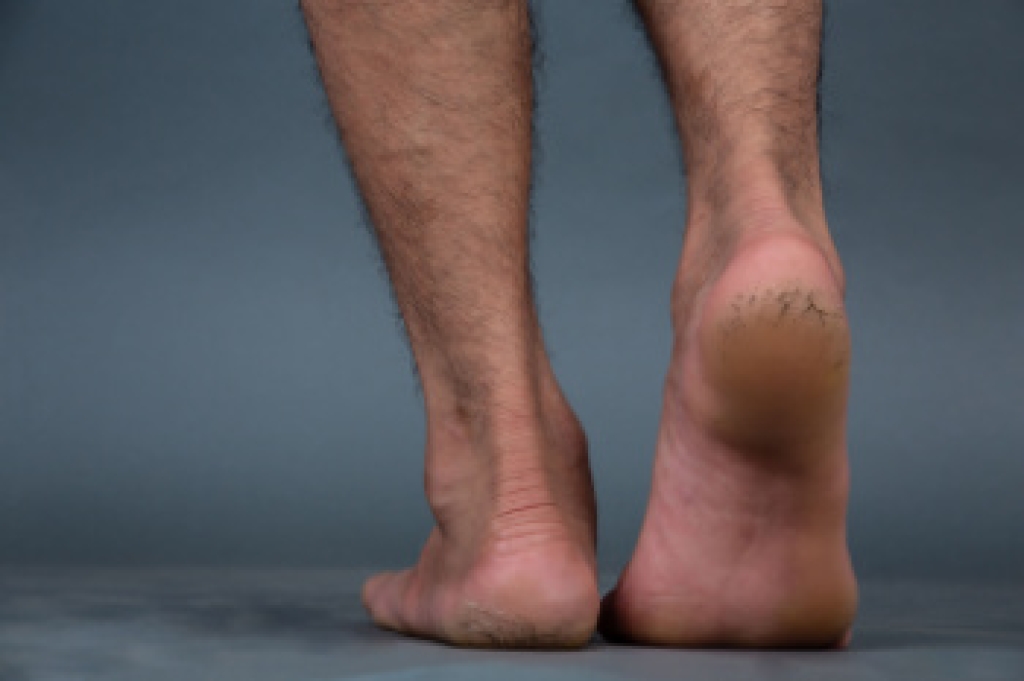
Heel fissures are cracks in thickened skin on the heels that can become painful if not treated. The skin in these areas is often drier and less flexible than healthy skin, which makes it more likely to split under pressure. Research shows that this type of thickened skin behaves differently from normal skin, especially in how it holds moisture and stretches. These differences can help guide care. In some cases, heel calluses and fissures can be grouped based on how hydrated and elastic the skin is, even when the surface feels similar. Dry, stiff skin is more prone to cracking, especially with standing, walking, or wearing open-back shoes. Regular moisturizing and proper foot support can help prevent worsening. If cracks become deep, painful, or do not improve, it is suggested you schedule an appointment with a podiatrist for appropriate care.

If the skin on your feet starts to crack, you may want to see a podiatrist to find treatment. If you have any concerns, contact Darren Day, DPM from Hawaii. Our doctor can provide the care you need to keep you pain-free and on your feet.

Cracked Heels

It is important to moisturize your cracked heels in order to prevent pain, bleeding, and infection. The reason cracked heels form is because the skin on the foot is too dry to support the immense pressure placed on them. When the foot expands, the dry skin on the foot begins to split.

Ways to Help Heal Them

  • Invest in a good foot cream
  • Try Using Petroleum Jelly
  • Ease up on Soaps
  • Drink Plenty of Water

Ways to Prevent Cracked Heels

  • Moisturize After Showering
  • Skip a Shower
  • Keep Shower Water Lukewarm
  • Don’t Scrub Your Feet

If you are unsure how to proceed in treating cracked heels, seek guidance from a podiatrist. Your doctor will help you with any questions or information you may need. 

If you have any questions, please feel free to contact our offices located in Honolulu and Kahuku, HI . We offer the newest diagnostic and treatment technologies for all your foot care needs.

Read more about Solutions for Cracked Heels

When Sudden Toe Pain Signals Gout

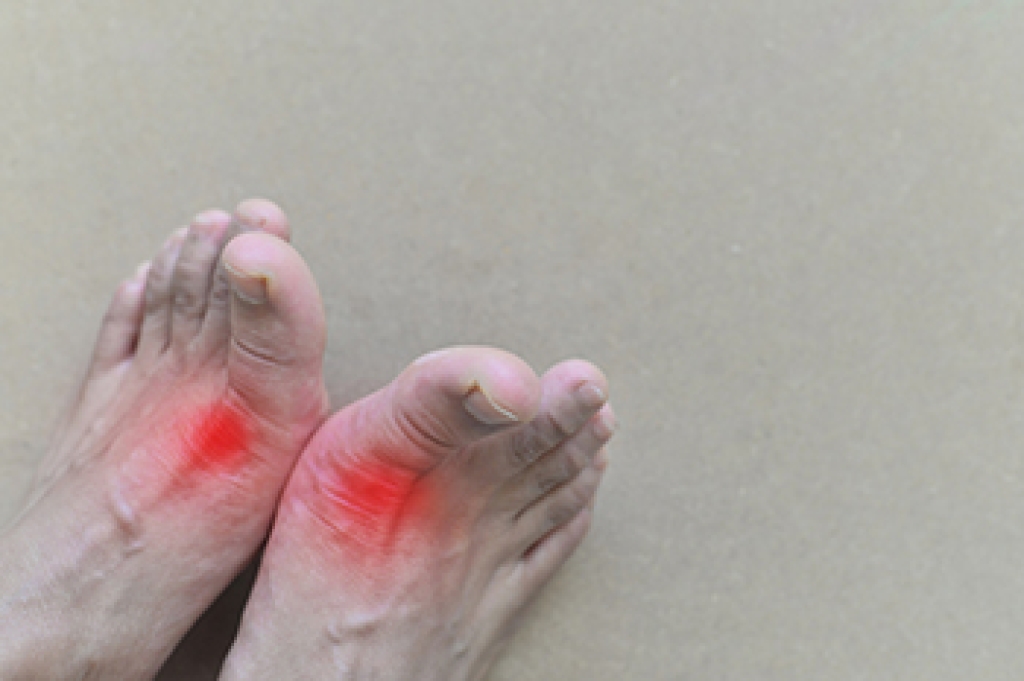
Gout is a form of inflammatory arthritis that often affects the foot, especially the big toe joint. It develops when uric acid builds up in the bloodstream and forms sharp crystals within the joint. This can lead to sudden and intense pain that may begin overnight, along with redness, warmth, and noticeable swelling. The joint may appear inflamed and feel extremely tender, making even light pressure from a bedsheet uncomfortable. Episodes can come and go, but without proper care, they may become more frequent or involve other joints. Common triggers include dehydration, certain foods, and alcohol use. Underlying medical conditions that affect how the body processes uric acid are other factors. A podiatrist can conduct tests for gout to help confirm the diagnosis. They also help coordinate care that may include medication to reduce inflammation and manage uric acid levels. Guidance on foot support and lifestyle adjustments may be provided. If you have gout, it is suggested that you make an appointment with a podiatrist.

Gout is a foot condition that requires certain treatment and care. If you are seeking treatment, contact Darren Day, DPM from Hawaii. Our doctor will treat your foot and ankle needs.

What Is Gout?

Gout is a type of arthritis caused by a buildup of uric acid in the bloodstream. It often develops in the foot, especially the big toe area, although it can manifest in other parts of the body as well. Gout can make walking and standing very painful and is especially common in diabetics and the obese.

People typically get gout because of a poor diet. Genetic predisposition is also a factor. The children of parents who have had gout frequently have a chance of developing it themselves.

Gout can easily be identified by redness and inflammation of the big toe and the surrounding areas of the foot. Other symptoms include extreme fatigue, joint pain, and running high fevers. Sometimes corticosteroid drugs can be prescribed to treat gout, but the best way to combat this disease is to get more exercise and eat a better diet.

If you have any questions, please feel free to contact our offices located in Honolulu and Kahuku, HI . We offer the newest diagnostic and treatment technologies for all your foot care needs.

Read more about Everything You Need to Know About Gout

Connect With Us

Like Us on Facebook
Follow Us on Twitter
Review Us on Google

Affiliated With

Affiliated with Ko'olauloa Health Center Logo
Affiliated with The Queens Medical Center Logo
Advanced Podiatric Procedures & Services in the Honolulu County, HI: Honolulu (Manoa, Kaneohe, Waikiki, Aiea, Waimalu, Moanalua, Kailua, Maunawili, Pearl City, Waipahu, Ahuimanu, Hawaii Kai, Waialae - Kahala) and North Shore (Kahuku, Laie, Hauula, Kawela Bay, Pupukea, Punaluu, Kaaawa, Haleiwa, Waialua, Koolauloa) areas